
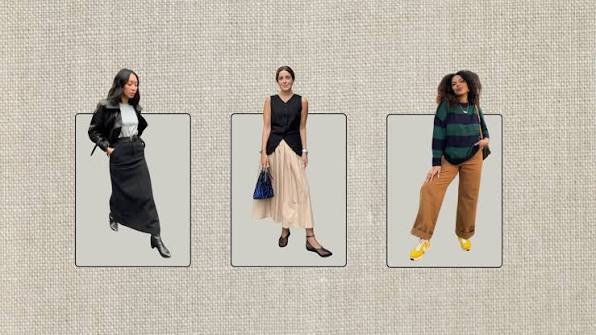

Fashion is more than following trends—it’s a way to express your personality and feel confident in your everyday life. Developing a personal style helps you make better shopping decisions, build a practical wardrobe, and create outfits that reflect who you are. Instead of copying every new fashion trend, focus on clothing that suits your lifestyle, preferences, and comfort.
Finding your personal style takes time, but once you understand what works best for you, getting dressed becomes much easier.
Understand Your Lifestyle Needs
Your wardrobe should match the way you live.
Consider questions such as:
- Do you work in an office?
- Do you attend formal events often?
- Do you travel frequently?
- Do you prefer casual clothing?
- Do you need outfits for outdoor activities?
Choosing clothes based on your daily routine makes your wardrobe more practical.
Identify the Colors You Enjoy Wearing
Colors play an important role in personal style.
Some people prefer neutral shades, while others enjoy bold and vibrant colors. Selecting colors that complement your skin tone and make you feel confident can improve your overall appearance.
Building a consistent color palette also makes it easier to mix and match different outfits.
Prioritize Comfort Without Sacrificing Style
Looking fashionable doesn’t mean wearing uncomfortable clothing.
Choose fabrics and designs that allow you to move comfortably while still creating a polished appearance.
Comfortable clothing often boosts confidence because you feel relaxed throughout the day.
Build a Collection of Versatile Pieces
Versatile clothing provides more outfit options without requiring a large wardrobe.
Useful wardrobe staples include:
- Plain T-shirts
- Denim jeans
- Classic jackets
- Neutral sweaters
- Comfortable sneakers
- Simple dresses
- Tailored trousers
These pieces can be combined in many different ways for various occasions.
Pay Attention to Fabric Quality
The quality of a garment often determines how long it will last.
Before purchasing clothing, check:
- Fabric texture
- Stitching quality
- Material durability
- Ease of care
- Overall construction
Well-made clothing usually maintains its appearance after repeated washing and regular use.
Use Accessories to Complete Your Look
Accessories add personality without requiring major wardrobe changes.
Popular options include:
- Watches
- Handbags
- Belts
- Sunglasses
- Hats
- Simple jewelry
Choosing a few quality accessories can make even basic outfits look more stylish.
Dress Appropriately for Every Occasion
Different situations call for different styles of clothing.
Whether attending work, social events, business meetings, or casual gatherings, selecting appropriate outfits helps you feel confident while leaving a positive impression.
Balancing comfort with professionalism is often the best approach.
Avoid Buying Clothes You Won’t Wear
Impulse shopping often leads to wardrobes filled with unused clothing.
Before making a purchase, ask yourself:
- Can I wear this regularly?
- Does it match my existing wardrobe?
- Is it comfortable?
- Will I still like it next year?
Thoughtful shopping helps reduce unnecessary spending.
Stay True to Your Personal Style
Fashion trends change frequently, but personal style develops over time.
Rather than following every trend, choose clothing that reflects your personality and makes you feel comfortable.
Confidence often comes from wearing outfits that genuinely suit you instead of simply copying popular styles.
Refresh Your Wardrobe Regularly
Review your wardrobe every few months to remove items you no longer wear.
Replacing worn-out clothing and adding a few carefully selected pieces keeps your wardrobe organized without unnecessary clutter.
A well-maintained wardrobe makes everyday outfit choices faster and easier.
Conclusion
Developing your personal style is a journey that combines comfort, confidence, and practicality. By understanding your lifestyle, choosing quality clothing, building a versatile wardrobe, and making thoughtful purchasing decisions, you can create a style that reflects your personality while remaining functional for everyday life. Fashion should help you feel your best, not complicate your daily routine.